Table of Contents
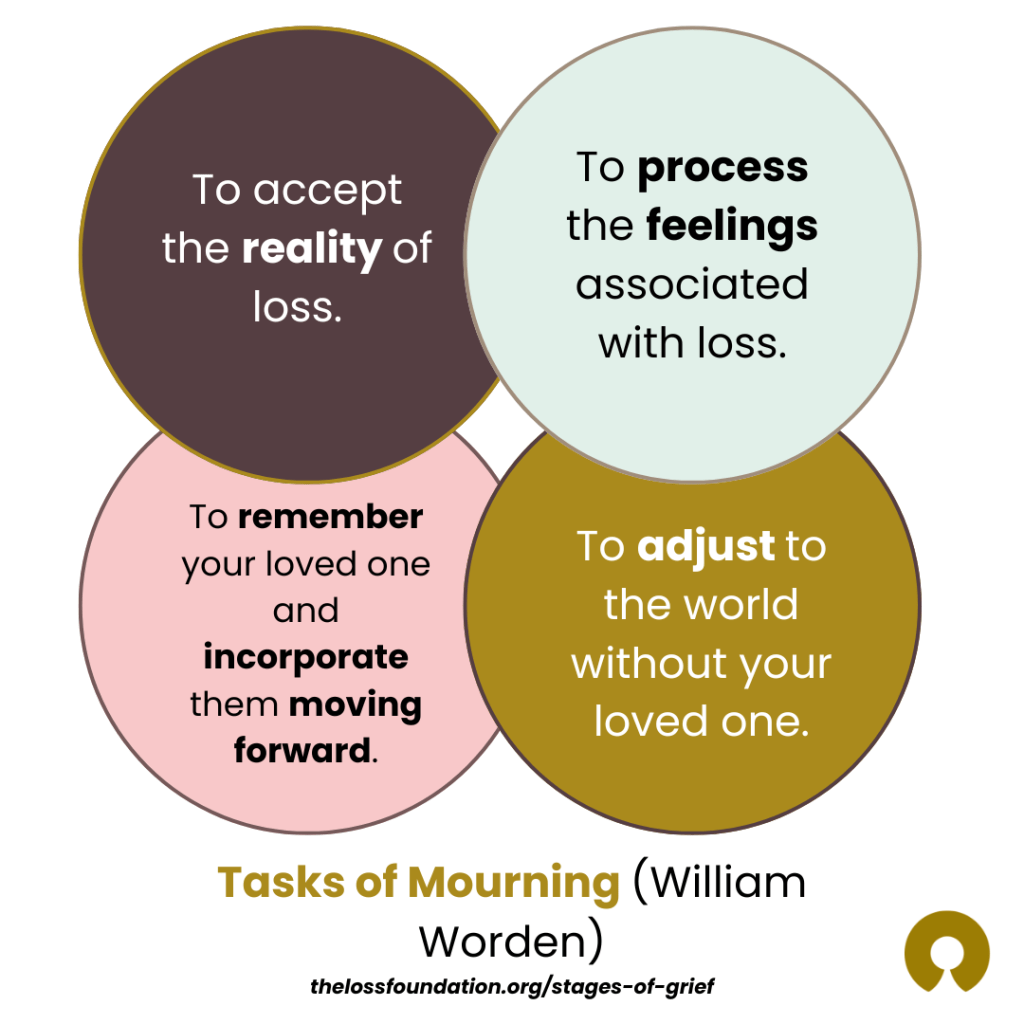
Everybody experiences sorrow in a different way. Your experience of pain and how you cope with it will certainly depend on various elements. These may include your age, previous experiences with sorrow and your spiritual or spiritual sights.
Anticipatory pain indicates feeling depressing before the loss happens. Rather than grieving for the individual, that is still with you, you might feel despair for the points you won't reach do with each other in the future. When dealing with a substantial loss, such as the fatality of a liked one, it is natural to really feel numerous strong feelings.
Individuals diagnosed with a terminal health problem and those facing the fatality of a liked one may experience awaiting grief., you might experience many feelings including shock, concern and despair.
Concrete Strategies for Initiating Your Healing Journey with Trauma Therapy in Sacramento
You grieve lost chances or experiences you'll miss even small ones, such as the enjoyment of the sunlight or a warm cup of coffee. If a person you enjoy is facing a terminal health problem, it is usual to experience awaiting despair in the months, weeks and days prior to fatality. You could regret the exact same points your liked one is mourning, or various losses altogether.
You could really feel awaiting despair If your liked one is puzzled or subconscious for a very long time (e.g. with delirium or dementia). You may feel that the person you knew is already gone, also if they are still literally there. If your liked one has a decline in physical wellness or wheelchair, you may feel anticipatory pain as you shed the chance to share experiences, such as leisure activities, holidays or occasions.
This is specifically true if you spend a great deal of time caring for the individual. You may miss out on activities you made use of to enjoy with each other and really feel sorrow regarding the modification in your relationship. The nature of your connection may transform as you take on a carer's function, or end up being the one being taken care of.
Feelings of pain before death are regular it is necessary to acknowledge them, and to speak about them. Experiencing awaiting pain doesn't necessarily mean that you will regret your loved one any type of less after they are gone. Carers of individuals that are terminally ill may end up being better to their loved one, making their sensations of sorrow after fatality also a lot more intense.
Shifting from Achievement Mode to Balanced Life
Lifeline offers support for people experiencing psychological distress. Past Blue provides info and support for individuals experiencing mental health difficulties consisting of pain. Griefline Call 1300 845 745 for support readily available to adults aged 18 years and over. Mensline offers telephone and online therapy and support to guys in Australia. Cancer cells Council offers details and assistance to people with cancer cells and their liked ones.
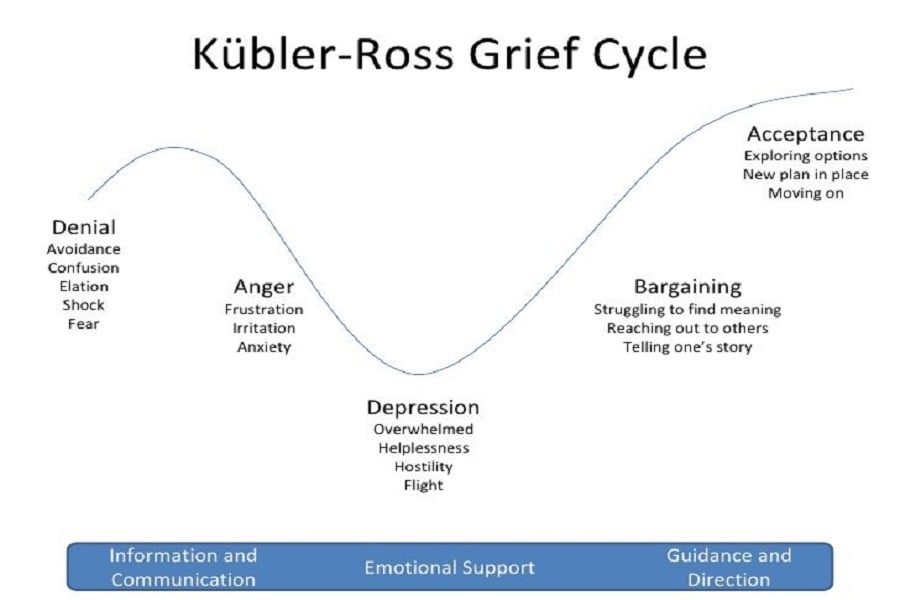
In reality, we do not experience sensations of grief one at a time or in a certain order. You might experience these things because they are all normal feelings of sorrow.
Some people feel numb after the death of a person they cared about. If you experience this, it can be due to the fact that it's simply too hard to think that the individual you understand so well is not coming back.
Why EMDR Rewires the Neural Pathways in Healthcare Professionals
Maybe they assure themselves that they will certainly currently always do (or not do) something, thinking that it could make the individual who has died come back. Individuals may likewise discover that they maintain going back over the past and ask whole lots of 'what if' inquiries, desiring that they could go back and alter things so that they could have transformed out in a different way.
These sensations can be very intense and uncomfortable, and they might reoccur over many months or years. Most people locate that uncomfortable sensations like this become much less solid over time. If you do not feel this is the case for you, then you need to request assistance.
Her model came to be commonly approved as a means to recognize pain, but gradually, pain counsellors and scientists expanded upon it, causing the development of the. This prolonged model includes extra psychological responses that people might experience: The first reaction to loss commonly brings shock and disbelief. This stage functions as a protective system, enabling us to take in the fact of our loss in workable doses.
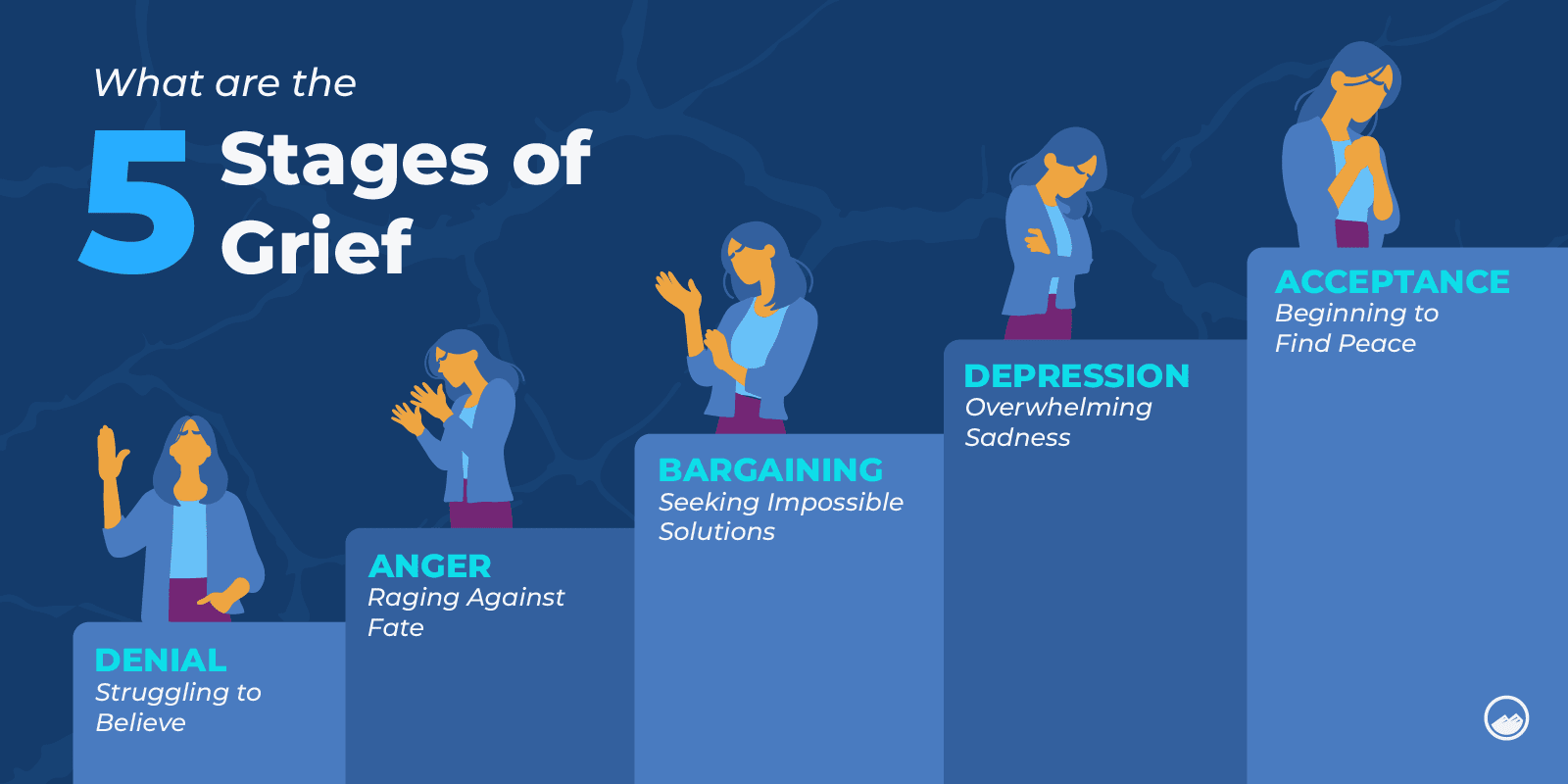
As the shock discolors, deep psychological discomfort collections in. Sensations of regret or regret may arisewondering if you could have done something in different ways, or sensation sorrow over things left unspoken. It's vital to acknowledge these feelings as opposed to suppress them. Grief can manifest as angertoward on your own, others, or even the person that has actually passed.

Navigation
Latest Posts
Understanding Bicultural Experience Via Psychotherapy
Parenting through Waterloo, Ontario Diverse Communities Using Men's Mental Health Counseling
Bereavement and PTSD